
Hazard to Powerhouse: Unlocking East Africa's Wastewater Energy Potential
As East Africa strides ambitiously towards a future powered by renewable energy, the region’s attention is heavily set on the abundant potential of its sun, wind, and geothermal resources. Yet there exists another largely untapped source of power that flows in the gutters of its bustling cities and towns, often referred to as wastewater. The transformation of this environmental liability into another energy asset represents a compelling synergy of sanitation, sustainability, and energy security, offering the region the ability to achieve economies fuelled by sustainable energy matrices.
Wastewater-to-energy (W2E) is the process of transforming sewage, industrial effluent, and organic sludge into biogas, electricity, heat and reusable water. This process is rapidly gaining traction as a crucial technology for sustainable development and its importance is cannot be overstated in East Africa, where rapid urbanisation, water scarcity, and the urgent need for low-carbon energy are prevalent issues. For the region, W2E represents a powerful circular economy opportunity, linking improved sanitation directly to clean energy generation, agricultural fertiliser production, and enhanced climate resilience for the region. This local priority corresponds directly to a growing global shift where nations are increasingly adopting W2E to meet energy and environmental goals. Global leaders such as Denmark and Germany have successfully integrated advanced anaerobic digestion and biogas upgrading into their national energy grids and these international examples provide a rich case of technical and policy lessons that East Africa can adapt therefore turning its own wastewater challenges into a strategic asset for a sustainable future.
Understanding the Resource
Wastewater is water whose quality has been fundamentally compromised or degraded by human activity such as used household water, the effluent from industries, and the runoff from storms, carrying with it a complex mix of organic matter, nutrients, and pollutants. With wastewater having been traditionally viewed as a threat to public health and a pollutant of highly regarded freshwater bodies like Lake Victoria, this perspective presents a critical shift. Within that same wastewater resides a significant energy potential, waiting to be utilised to strengthen and diversify the power grid. The key to unlocking this potential is by harnessing one of its products, methane, and the primary technological pathway to its production is through anaerobic digestion.
The Process: From Waste to Power
The transformative journey from wastewater to energy is powered by a suite of technologies, each playing a distinct role. The cornerstone of this process is Anaerobic Digestion, where organic matter breaks down in oxygen-free tanks to produce biogas. This raw biogas can be directly utilised or refined through upgrading technologies like membrane separation to create pure biomethane, a low-carbon renewable gas suitable for injection into the pipeline network for the conventional liquid natural gas (LNG) or powering transport fleets. To maximise efficiency, the biogas is most commonly fed into Combined Heat and Power (CHP) systems, which generate both electricity for the grid and thermal energy for use within the treatment plant itself therefore significantly boosting energy self-sufficiency.
Looking ahead, emerging innovations like Microbial Fuel Cells represent a breakthrough in low-energy treatment, offering the potential for direct electricity generation during the purification process and showcasing the continuous evolution of this vital field. The solid residue left after digestion is a nutrient rich biosolid that can be processed into a valuable bio-fertiliser - closing the cycle by returning nutrients to the soil and embodying the very principle of a circular economy.
Regional Significance of W2E
The case for prioritising wastewater to energy in East Africa is urgent and necessary. The region is characterised by some of the world’s most rapid urbanisation rates, which strain ageing sanitation infrastructure and lead to vast volumes of untreated wastewater polluting rivers and lakes. Simultaneously, chronic power shortages and a reliance on imported fuels underscore the pressing need for decentralised, reliable renewable energy sources.
Wastewater to energy addresses these challenges in a single integrated system. It offers a sustainable method in East Africa for managing urban waste and reducing the methane emissions that would otherwise escape from open sludge lagoons as a potent greenhouse gas. Economically, it promises reduced operational costs for water treatment facilities through on-site power generation, job creation in green technology and the production of domestic fertiliser. Socially, it incentivises investment in improved sanitation services. This alignment with multiple development goals is reflected in its congruence with regional strategies, from the African Union’s Agenda 2063 to national commitments under the Paris Agreement and to local governments.
Regional Pilot Projects
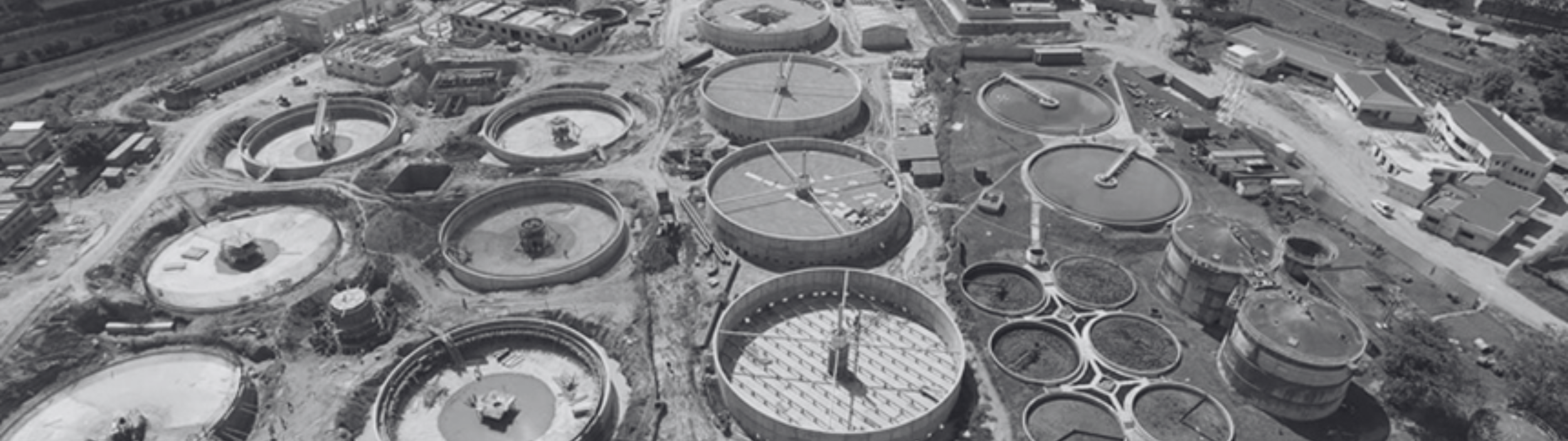
While the sector stands at its infancy, pioneering projects across the region are demonstrating tangible proof of concept and illuminating the path forward. An example that represents the region’s potential is Kampala’s Bugolobi Wastewater Treatment Plant with the anticipation of the project being the largest of its kind in East and Central Africa, processing more than 45 million litres of wastewater each day and the ability of converting it into biogas to produce 621 kilowatts of electricity. The potential retrofit of such a plant with modern digesters and Combined Heat and Power technology could transform it from an energy consumer into a power producer for the city.
Developments here could serve as a benchmark for the region, showcasing how to integrate energy recovery into urban wastewater management.
The Barriers to Fully Achieving Wastewater to Energy Success
Despite its clear promise, the widespread adoption of wastewater to energy in East Africa faces a number of challenges. The largest hurdle remains financial, as the upfront capital expenditure required for core technologies like industrial scale anaerobic digesters, biogas purification units, and combined heat and power generators is prohibitively high for most municipal budgets or private developers. This steep initial cost is further aggravated by a severe shortage of appropriate financing mechanisms and this financing gap stifles project viability from the outset.
A second foundational challenge is rooted in urban infrastructure, where across many East African cities, sewage collection networks are notoriously underdeveloped, fragmented, or poorly maintained. This unreliable and diluted feedstock stream directly undermines the plant's energy output and financial model, making large investments hard to justify.
Beyond these hurdles, operational sustainability is threatened by a significant shortage of local technical expertise. The skills necessary in running these projects are currently in short supply, and this skill gap increases the risk of system failures, reduces efficiency, and can create a costly dependence on expatriates for basic maintenance hence minimising long term project resilience.
Furthermore, the integrated nature of wastewater to energy is often at odds with fragmented government structures. Responsibility typically falls between separate ministries for water, energy, and environment, each with different priorities, regulations, and budgets. This bureaucratic siloing creates confusion, slows approvals, and prevents the creation of unified policies or incentives needed to make such cross-sector projects flourish.
Finally, the lack of technical standards and legal pathways for selling upgraded biomethane into the national gas grid closes a major potential revenue stream, and this uncertainty over income makes wastewater-to-energy a hard sell for private investors, trapping the sector in a pilot phase reliant on grants rather than enabling it to scale through to its market potential.
Future Opportunities for the W2E Concept
Looking ahead, the opportunities for scaling wastewater to energy are directly linked to East Africa’s broader development goals. The rise of planned industrial parks and smart city concepts offers the ideal platforms for integrated, decentralised wastewater to energy systems from the outset. For smaller towns, modular anaerobic digestion units present a scalable solution that does not require massive centralised sewerage networks.
The financial case of W2E is also bolstered by the growing global market for carbon credits that could provide a potential revenue stream for projects that actively decrease methane emissions. The most promising pathway lies in innovative public private partnerships that blend public sector oversight with private sector efficiency and investment, supported by restructurings in the present wastewater treatment facilities and policies as well as targeted incentives from development partners like the African Development Bank and World Bank.
In conclusion, East Africa stands at a pivotal moment where the region has the chance to reimagine its wastewater not as a costly problem to be disposed of, but as a strategic resource to be managed. By harnessing the proven technologies of anaerobic digestion and biogas conversion and by learning from the pioneering projects already within its borders, East Africa can transform an environmental burden into one of its most valuable and reliable clean energy assets. The power, quite literally, is in its hands or rather, its gutters.
