
Spaces and Places: Cultural Identity in Nairobi’s Third Spaces
Nairobi is in the middle of a cultural reordering. In 2025, Ngara was listed among the top places to visit in Africa in 2026, an unexpected recognition for a neighbourhood once known primarily for traffic, affordable housing and chaotic public transport hub. This selection signalled something deeper, that Nairobi is developing a new social life, defined by out of the box third spaces. These are informal public or semi-public environments that exist outside the typical routines of home and work. Running clubs, sober parties, ‘drunken lectures’ , and creative gatherings in parks, cafes and community spaces.
These third spaces have become essential in a hyperconnected yet emotionally disconnected urban environment. Nairobi’s youth are navigating loneliness, digital saturation, remote work, and a declining sense of communal obligation. They are also navigating political awakening with the Gen-Z–led protests of 2024 reshaping ideas of solidarity and trust, revealing how social media communities materialize physically in streets. Third spaces, therefore, are not just leisure venues. They are catalysts for identity, belonging, and civic participation.
As Nairobi prepares for the relocation of additional UN offices and a rising influx of expats and digital nomads, the role of third spaces becomes even more critical. Demographic diversification creates demand for services and venues catering to globalized tastes, co-working, and upscale leisure.
The city is diversifying socially and economically, which changes how communities meet, network, and build meaning. So, why are third spaces becoming core sites of community life? What do they reveal about modern identity, loneliness, and social capital? And finally, how are Nairobi’s unique cultures shaping the emerging architecture of its third places?
Social and Cultural Impact
Nairobi’s third spaces are not emerging in a vacuum. They are forming within specific social, economic, and spatial constraints that shape how people gather, who feels welcome, and what kinds of community life are possible in the city today. There is a growing appetite for curated leisure, and the parallel struggle to maintain accessible, communal spaces.
Identity in Nairobi is increasingly constructed through affiliation rather than obligation. Influencers act as cultural brokersin this process, turning lifestyle practices into aspirational markers and effectively marketing culture to a population eager for belonging. This turns social spaces into stages for performing identity, where belonging is earned through lifestyle choices rather than inherited obligations. Moreover, in the creation of third spaces, it is evident that influencer partnerships are integral in driving footfall, revenue and loyalty. Influencer marketing delivers strong, cost‑effective ROI,often returning around 5–6 dollars for every 1 dollar spent and outperforming brand content on engagement and conversions. Because followers trust local creators, brands can use influencers in cities like Nairobi to reach specific audiences more authentically, boost awareness, and drive sales.
This shift happens alongside the decline of traditional communal anchors. The growth of remote work has reduced social interactions in the workplace. Secularization and generational turnover have thinned ties to churches and older community structures. Nairobi’s spatial form of gated neighborhoods, car-centric streets, lackluster public infrastructure leaves few places for community interaction. At the same time, instead of everyone in Nairobi sharing similar experiences, youth are increasingly living in separate digital bubbles shaped by algorithms.
This fragmentation has intensified the desire for meaningful leisure. Nairobi’s cultural landscape is now populated by run clubs along Riverside Drive, Sober parties in Kilimani cafes, drunken lectures in repurposed event spaces, and book clubs that operate like friendship incubators. These gatherings provide structured, emotionally impactful alternatives to nightlife, in a city where people crave deeper forms of connection than what digital life can provide.
Constraints and Tensions
Nairobi’s third spaces face tight constraints shaped by socio-economic fragmentation and unequal access. The city’s rapid urbanization and widening wealth gaps mean that third spaces are unevenly distributed and often gated by cost.
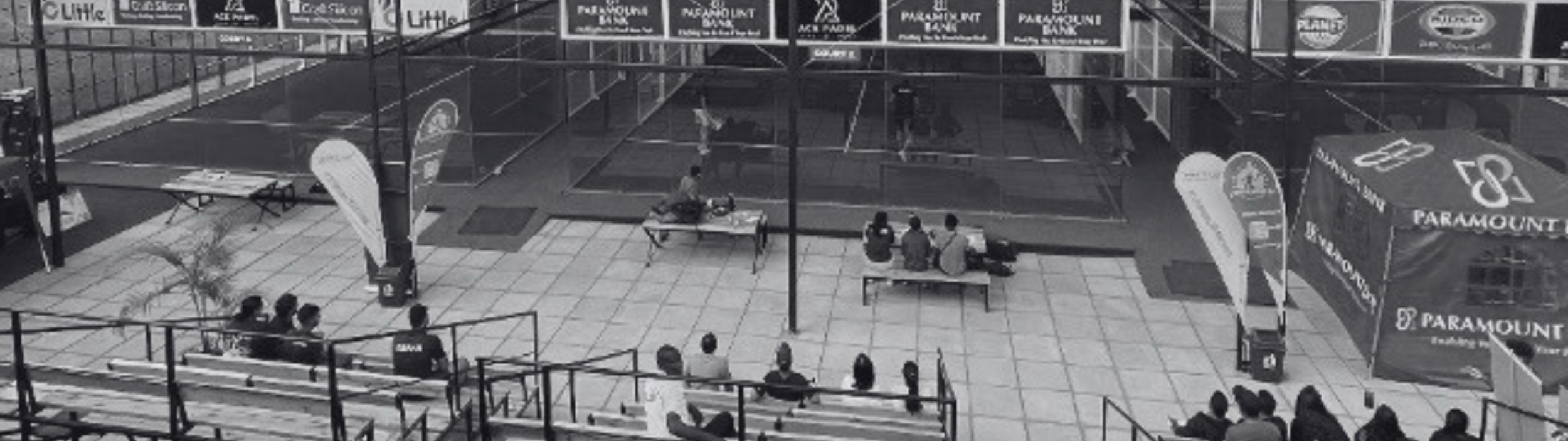
The strongest commercial illustration is the rise of padel courts and social houses, especially in affluent neighborhoods. Gigiri Social Club, for instance, markets itself as a community-wellness hybrid: padel, gym, cafe culture, curated programming. Its branding focuses on lifestyle, identity, and belonging. Yet membership fees KSh 16,700+ per month it clearly limits access to Nairobi’s more affluent, mobile, and expatriate professional class
In contrast, lower-income neighborhoods rely on informal and sometimes precarious public areas, where third places are shaped by improvisation rather than design. For example, in Kibera the Kibera Public Space Project (KPSP) converted flood‑prone, polluting riverbanks into community‑managed public spaces with a playground, garden, day‑care. Artist collectives like Maasai Mbili even turn small corners into cultural hubs for art and gatherings.
Another key tension is vulnerability. Nairobi’s skateboarding culture at Uhuru Park’s Platforms shows how informal, open third spaces rely on public infrastructure. The Platforms’ demolition during renovation abruptly displaced a thriving subculture. This is a pattern of pop-up markets vanishing when landlords change plans or creative hubs disappearing when leases expire to community gardens are cleared for development. These disappearances highlight the ways in which third spaces are protected by policy or long-term planning.
These constraints reveal a city where third spaces can bring people. Some spaces are designed for Nairobi’s upwardly mobile classes, expats, and the rising digital nomad population who are redefining the city’s social economy. contrast, community-driven spaces such as Cheche Books and the Public Space Network provide free or low-cost cultural programming, digital access, and green gathering spots. These models counteract the income divide, anchoring cultural life in shared commons rather than consumer thresholds.
Opportunities for growth
The next phase of Nairobi’s third spaces will depend on how well the city learns to collaborate. Third spaces like run clubs generate micro-economies around merchandise, coaching, events, and partnerships . A good example of this is We Run Nairobi, a new running club that has grown rapidly through social media. Beyond their regular meetups, they host charity runs, partner with brands like Itel to showcase wearable running tech and collaborate with other third spaces to create social activities after the run. They’ve also started offering paid experiences, like curated running and hiking sessions in Tigoni, which have become extremely popular. Together, these collaborations show how third are shaping a new ecosystem of culture, wellness, and community-driven experiences in the city.
Scaling grassroots models is another critical opportunity. Book Bunk, Cheche Books, and the Public Space Network have proven that culturally rich, accessible third spaces can operate sustainably when supported by institutional partnerships. County grants, impact investment, and CSR initiatives could help replicate these models in other neighbourhoods, building durable civic infrastructure instead of relying on short-lived pop-ups.
Policy reform is also key. Many third spaces disappear abruptly because they occupy informal or temporary arrangements as seen in previous cases. Zoning protections, temporary-use permits, and tax incentives for cultural hubs would reduce this precarity and encourage property owners to support long-term community programming rather than quick commercial turnover.
Commercial opportunities continue to expand around third-space culture. Merch lines emerging from run clubs present untapped opportunities, beverage brands can sponsor events such as sober parties as well as branded sober-party beverages, padel tournaments, lifestyle festivals, and membership-based social houses all illustrate how culture produces new product categories and revenue streams. Hospitality players, beverage companies, retail brands, and creative entrepreneurs can leverage this momentum to build new services around belonging, wellness, and curated leisure.
But opportunity also lies in expanding what is free. Nairobi still needs more well-maintained, open public spaces like parks, libraries, and community centres that offer low-cost alternatives to the increased number of commercialized third spaces. Such investments would help bridge widening income divides and root cultural life in accessible commons.
Conclusion
As traditional anchors like workplaces, churches, and predictable neighbourhood routines lose their centrality, young people are turning to curated, community-driven environments to meet emotional, cultural, and civic needs. From run clubs and sober parties to book collectives and reimagined public spaces, these hubs reflect shifting identities shaped by digital life, political awakening, and the desire for deeper connection. They also reveal the tensions of an unequal city in that, while high-end social houses and padel courts cater to affluent demographics, grassroots projects in places like Kibera show how community-led innovation can reclaim space and dignity even in constrained environments.
Looking ahead, Nairobi’s challenge as well as the opportunity, is to transform this momentum into a more inclusive urban ecosystem. Collaboration between creators, institutions, and policymakers will determine whether third spaces become stable engines of culture or remain fragile, short-lived experiments. Commercial models around wellness, events, and branded experiences are thriving, but they must be balanced with investment in free, accessible public spaces that anchor communal life across class lines. If Nairobi can protect, scale, and democratize its third places, it stands to define a new kind of urban culture into one that blends creativity, wellness, civic engagement, and belonging into a shared, future-facing identity.
