
Wearing the Culture: Merchandise and Branding for Creatives and Celebrities
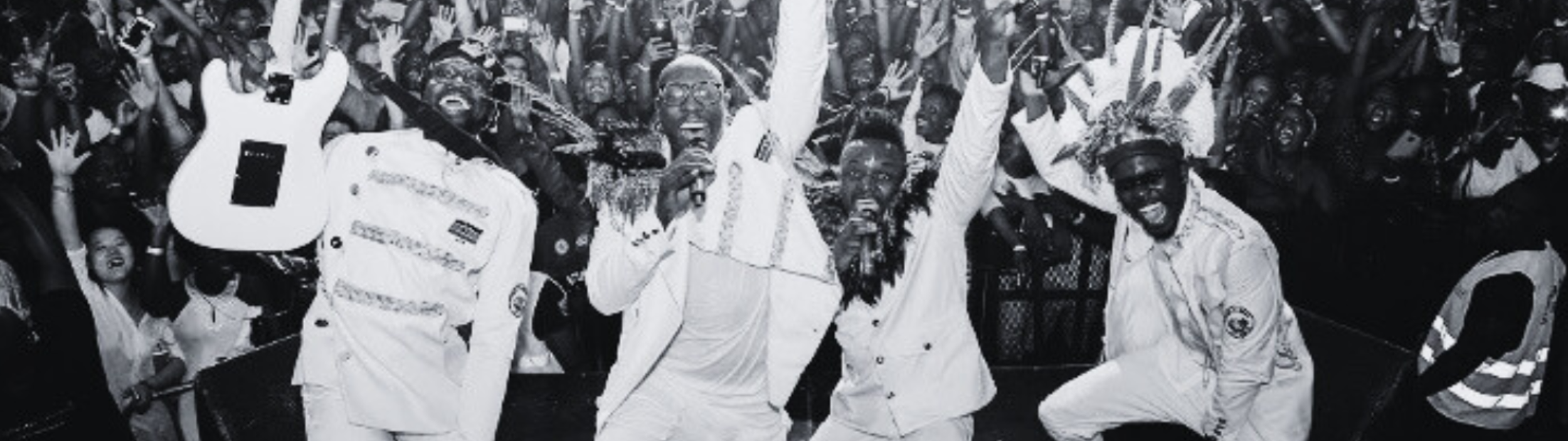
In recent years, East Africa has produced visible start in music, film and sports. From Kenyan pop icons like Sauti Sol, trailblazers in the film industry such as Lupita Nyong’o and world record breaking athletes such as Eliud Kipchoge. This talent sells streams, wins international film awards and brings together fans from all over the globe.
Artists are increasingly relying on merch such as apparel, accessories, lifestyle goods, as scalable and profitable revenue sources. Despite this, very few of these African headliners produce official, locally made merchandise. This highlights a striking disconnect where these creatives have global popularity on one hand with near zero penetration of artist driven merchandise on the ground.
Meanwhile elsewhere in the world, merchandise has become a core pillar of how artists sustain themselves. Taylor swift, during her Eras Tour, she reportedly earned nearly $200 million from sale of merchandise such as hoodies and T-shirts . Similarly, Michael Jordan, with his signature line with Nike earned between $150-256 million annually from royalties tied to the merchandise. Aside from just generating substantial revenue, this deepens fan engagement. This makes merch a logical next step for East Africa’s booming creative economy.
Here, we discuss how East Africa is leaving both money and cultural influence on the table by under-developing a merchandise economy. We need to understand why and what it would take to build a sustainable artist centred business ecosystem. From improved artist business capacity, to investment, production infrastructure and fan facing distribution, enabling local creatives to fully leverage their global visibility.
Market Landscape
The East African merch landscape today is fragmented, informal, and heavily driven by grassroots fashion culture rather than structured, artist-led commercial lines. Pop-ups like Karibu Nairobi by Studio 18 showcase strong local creativity with young designers releasing T-shirts, hoodies and lifestyle pieces, but these operate as independent fashion markets, not structured merch ecosystems tied to musicians, actors or athletes. Meanwhile, artists themselves rarely run sustained merch lines relying mainly on shows, digital streams and brand deals, with merch appearing only occasionally.
Merchandise mostly circulates through such pop-ups, concerts, Instagram shops, small e-commerce sites and diaspora-oriented marketplaces. Despite the informality, the region has real production capacity with thriving textile hubs, print shops and small manufacturers in Nairobi, Kampala and Dar es Salaam provide the backbone for scaling merch if creators tap into it. Digital commerce is also accelerating, with e-commerce adoption rising across East Africa.
Yet the ecosystem remains underdeveloped due to limited business structure, inconsistent distribution, and cross-border trade barriers. As a result, the region has high creative visibility but no unified, sustainable merch economy to match it.
Why Merch Matters: Commerce and Culture
Merch offers creatives a revenue stream that isn’t tied to volatile and low streaming payouts or inconsistent gigs. A single well-made T-shirt or hoodie can generate far higher margins per fan, giving artists more financial stability while supporting a chain of local printers, tailors and small manufacturers who benefit from steady orders therefore turning merch into a mini-industrial ecosystem rather than just apparel. For live shows, merch can account for nearly 30% of an artist’s total tour income on top of tour revenue.
Moreover, Merch strengthens identity and fandom. It helps fans signal belonging to a community and strengthen social connection. When young audiences wear pieces created by and for local artists, they are expressing pride in East African creativity in the same way global fans wear band or tour merch. It becomes a way for East Africa’s aesthetic to travel through global e-commerce platforms, and diaspora communities, exporting the region’s identity through fashion and everyday objects.
Challenges
East Africa’s merch ecosystem is still thin because the foundations needed to sustain it are weak. On the production side, artists struggle to access reliable small-batch manufacturing — most factories demand high minimum orders, quality control is inconsistent, and handling inventory or returns is costly. Studies on African manufacturing repeatedly show the same pattern of limited modern garment-production facilities, scarce financing, unreliable power and logistics, and outdated equipment across countries like Kenya, Uganda and Tanzania. These structural gaps make it difficult for designers and creatives to scale or maintain consistent production, keeping the region’s merch ecosystem constrained.
Distribution is another major constraint. Shipping within the region or to diaspora markets is expensive, customs processes are slow, and payment systems across East Africa are not well integrated. Many African brands face these same hurdles when trying to fulfil global orders, which drives up prices and reduces reliability.
Weak IP enforcement makes things worse. Copyright and contract practices remain informal, so revenue-sharing between artists, managers and producers is often unclear. When ownership is unstable and royalties are unreliable, there’s little incentive for serious investment in professional merch lines.
Cultural perception adds a final layer of friction. Local merch is often treated as an “extra,” not a core part of an artist’s brand. Meanwhile, foreign labels still hold higher status for many young consumers, making it harder for East African streetwear or artist collabs to gain legitimacy.
These combined structural, business, logistical and cultural gaps keep merch from becoming the revenue engine or cultural export it could be.
The future of the merchandise industry
Despite the structural gaps, there are clear signals that East Africa has the ingredients for a real merch economy. Nairobi’s streetwear collectives, weekend pop-ups, and fashion markets already show how fans respond when quality and storytelling meet. Events like the Karibu Nairobi pop-ups consistently draw young buyers who want pieces that reflect their identity and city culture. These pockets of demand prove that merch works when it’s treated as fashion, not as an afterthought.
The same energy appears online. Pan-African digital marketplaces from ANKA to smaller curated platforms championing African brands, demonstrate a global, paying audience for African-made apparel and accessories. These platforms already ship African products to diaspora customers showing that the demand exists but it’s the supply chain around artists that hasn’t caught up. East Africa also has hidden strengths in the established textile hubs in Nairobi, Eldoret, Arusha and Kampala as well as skilled tailors and printers and rapidly improving logistics and digital payment networks.
This creates an obvious business opening. There is space for specialist “merch-as-a-service” companies that handle the unglamorous work from design, small-batch production, warehousing to delivery and returns so artists and their management do not have to concern themselves. There is also room for white-label collaborations where factories partner with musicians or athletes to produce recurring capsule collections using African fabrics or sustainable materials, giving both sides predictable income. Beyond that, dedicated e-commerce platforms for verified African merch could formalise royalties, protect IP, and give fans a trusted place to buy official products instead of counterfeits. Even venues and festivals could build revenue by partnering with B2B merch operators to run official stands, pre-order systems, and online drops linked to tickets.
To unlock these opportunities, creatives and managers need to treat merch as a core brand pillar and not a side hustle and invest in basic IP protection, simple contract templates, and data on what fans buy. Manufacturers and artisans must offer smaller minimum orders, transparent pricing, and co-branding options that build trust with artists. Investors and tech platforms should back African merch infrastructure that plugs into existing payments and logistics. And policymakers should strengthen IP education, ease cross-border shipping for small parcels, and support export promotion for creative goods.
Conclusion
East Africa’s creators already command global attention, from music and film to world-class athletics. Yet this visibility has not translated into a functioning merchandise economy. While global artists earning hundreds of millions from merch, most East African stars have almost no official products on the market.
The issue is not demand. Local pop-ups and streetwear collectives show that fans buy identity-driven fashion when quality and storytelling are strong. The region also has real production capacity and improving digital payments. What is missing is coordination, investment and a clear business model that links creatives to manufacturers and distribution.
A mature merch ecosystem would strengthen income for artists, support local artisans and manufacturers, and export East African culture through fashion and lifestyle goods. To unlock this, creatives must treat merch as a core revenue stream, manufacturers must offer flexible production, investors should back specialised merch platforms, and policymakers need to improve IP protection and cross-border shipping. East Africa has the talent and the market. What remains is to build the system that connects them.
