
The Startups Lighting Up East Africa: Can Policy Keep Up?
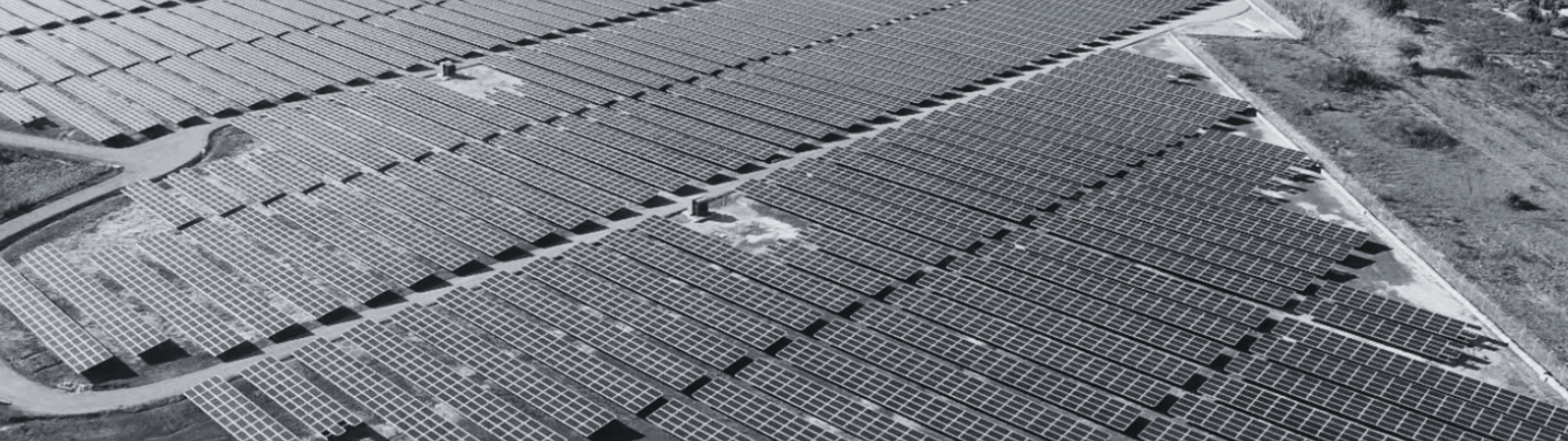
A REPORT examining private innovation and public policy are jointly transforming energy access in East Africa, focusing on the rising role of startups in addressing affordability, reliability, and sustainability gaps.
Abstract
This report explores how private innovation and public policy are jointly transforming energy access in East Africa, focusing on the rising role of startups in addressing affordability, reliability, and sustainability gaps. It examines factors distinguishing the region as a hotspot for clean energy enterprises and how various actors increasingly complement state-led electrification efforts. Findings show that technology-driven business models like pay-as-you-go solar systems, digital financing platforms, and localized microgrids are expanding last-mile connectivity and empowering underserved communities. However, startups continue to face challenges including regulatory uncertainty, limited financing, and weak policy alignment. The report concludes that supportive public-private partnerships, innovation-friendly policies, and regional knowledge exchange are essential for scaling private-sector-led solutions. Strengthening these synergies will not only accelerate East Africa’s energy transition but also contribute to inclusive growth, green job creation, and progress toward the region’s sustainable development and electrification goals.
Introduction
Eastern Africa is a region with vast untapped energy resources, including hydro, geothermal, wind, and solar power, which could be harnessed to support economic growth and development. However, the region faces significant challengesin attracting investment, including political instability, weak governance frameworks, inadequate regulatory frameworks, and insufficient domestic financing.
Addressing all these challenges requires more than just the rapid deployment of renewable energy and energy efficiency technologies. There is a need to integrate context-specific innovation into the long-term planning and strategies for the energy transition in East Africa. The approach towards innovation needs to encompass technology, business models, and market structure. Closing the energy access gap requires concerted efforts to expand grid extension and densification, alongside scaling up distributed renewable energy (DRE) systems that can efficiently deliver electricity to areas beyond the reach of the national grid.
The private sector could be the key to unlocking East Africa’s energy wealth through financing, deploying and managing energy solutions. There are already several examples across the region of the success of public-private partnerships, such as the Thika Power Plant Project, which has moved Kenya away from a reliance on hydropower, alleviating power shortages that have hampered economic growth in the country. However, the private sector’s role is not optimised due to limited local technical expertise, fragmented and unstable policy and regulatory frameworks and finance challenges. These include currency mismatch, lack of affordable financing, high perceived risk, weak sector creditworthiness and market entry barriers.
Private-sector-led innovation is crucial for East Africa’s energy transition owing to the wealth of investment, advanced technology, and scalable business models that help address the region’s persistent energy access gaps. Private companies have introduced solar mini-grids, pay-as-you-go systems, and digital solutions that make clean, reliable energy affordable and accessible for millions, particularly in rural and underserved communities. Their agility allows for rapid adoption and adaptation of new approaches, while their willingness to invest and experiment supports both large-scale infrastructure projects and last-mile connectivity. By complementing state efforts, energising local economies, and driving efficiency, private-sector innovators are central to realising a sustainable, equitable energy future for East Africa.
As a way forward, this report argues that private-sector innovation, led by startups, is transforming energy access in Eastern Africa through decentralised and affordable solutions. However, their impact remains limited by weak policy and financing environments. Strengthening public policy to support and scale these innovations is crucial for achieving equitable and sustainable energy access across the region.
Methodology
This report examines the critical intersection of private innovation and public policy in shaping East Africa’s energy landscape. It focuses on how startups are driving new models of energy access, particularly in regions underserved by state-led electrification. Through comparative analysis, the report explores how technological and business innovations are transforming affordability, reliability, and sustainability of energy access while assessing the enabling or restrictive policy conditions in which these startups operate.
Given the broad nature of the topic, we employed a qualitative, literature-based approach. The study draws exclusively from secondary sources, including academic research, policy briefs, industry reports, and media analyses. Key academic works - such as Kato (2025) on venture capital’s role in East African innovation, Kamanyire et al. (2024) on the socio-economic effects of electricity access, and Nevo (2024) on renewable energy startups , provided the theoretical grounding for understanding private-sector contributions to clean energy transitions.
Supplementary materials were sourced from credible online platforms including Tech in Africa, Afripoli, and The African Exponent, which document case studies such as M-KOPA (Kenya), Solar Sister (Uganda), and Sawa Energy (Rwanda). These examples offered contemporary insights into the region’s startup landscape, financing models, and policy frameworks.
Sources were selected based on relevance, credibility, and recency to ensure reflection of current trends. Older works were retained where they provided necessary contextual grounding.
A thematic analysis approach was used to identify recurring ideas and patterns relating to innovation models, financing, and governance. Cross-country comparisons were drawn to reveal both synergies and disparities in startup growth and policy support. The report is limited to secondary data; therefore, findings reflect the perspectives and evidence available within existing literature and institutional reports rather than primary field data.
Continue reading the full report by clicking HERE.
