Fragmented Funds, Untapped Futures: East Africa’s Informal Sector Pension Puzzle
The current pension landscape within East Africa can be akin to a small square blanket during a cold winter night – little coverage and unsatisfactory returns. While formal sector workers can access pension schemes, the vast majority employed in the informal sector are excluded, missing out on the benefits of retirement savings and leaving much of the economy untapped for collective resource pooling.

From Chalkboards to Chatbots: Revolutionising East Africa’s Education Trajectory with Technology
With East Africa's student population projected to grow by 17% in primary schools and 9% in secondary to higher education by 2040, traditional teaching methods may face mounting challenges in delivering effective, personalised learning. Already strained by limited resources, educational systems must now adapt to meet the demands of a growing and increasingly diverse region.

East Africa’s Road to Nuclear Energy: A Feasibility Study Assessing Infrastructure and Policy Pathways
Nuclear fission, a process that was accidentally discovered to release energy in 1938, now drives nuclear power plants that account for 11% of the world’s electricity generation. Nuclear energy is recognised as a key towards carbon neutrality, endorsed by more than 20 countries and the agreed upon declaration to triple nuclear energy by 2050.

A Fall from Grace? The Unraveling of Makerere University
On the proverbial mantle of prestige, Makerere stands firm but seems to gather dust while sister universities contend and surpass its glory. Founded in 1922 as a technical school, Uganda's flagship institution has been a hub not only for Ugandans, but Africans to flock in search of quality education. Uganda’s education sector, modelled upon the British system, was one of the best in Africa until the early 1990s.

A Borderless Africa Beckons: Transforming Regional Integration through Visa Reform
African leaders have flirted with the idea of letting citizens move freely across the continent for years – some even daring to dream of a single African passport. However, the vision has often been easier to discuss than to implement. Some African countries have taken bold steps toward ‘borderless travel’ - turning talk into action in a way that could boost intracontinental trade.

Smart Cities and Bright Futures: Tech-Driven Transformation for East Africa’s Urban Landscape
In East Africa, the concept of smart cities offers an exciting opportunity to address the region's pressing urbanisation issues, such as inadequate infrastructure, inefficient public services, and environmental concerns. With East Africa experiencing an average annual urban population growth rate of 4.32% between 2020 and 2025, the adoption of smart city solutions can play a crucial role in shaping the future of these urban centres.

Facing the Fate of a Fiscal Reckoning: An Analysis of Ethiopia’s Debt Restructuring Efforts
Ethiopia’s recent debt restructuring aims to counterbalance mounting economic pressures. Once showing promises of unrelenting growth, Ethiopia's growth domestic product (GDP) slowed to an average of 6% from the 9% growth rates seen in 2017-2019.

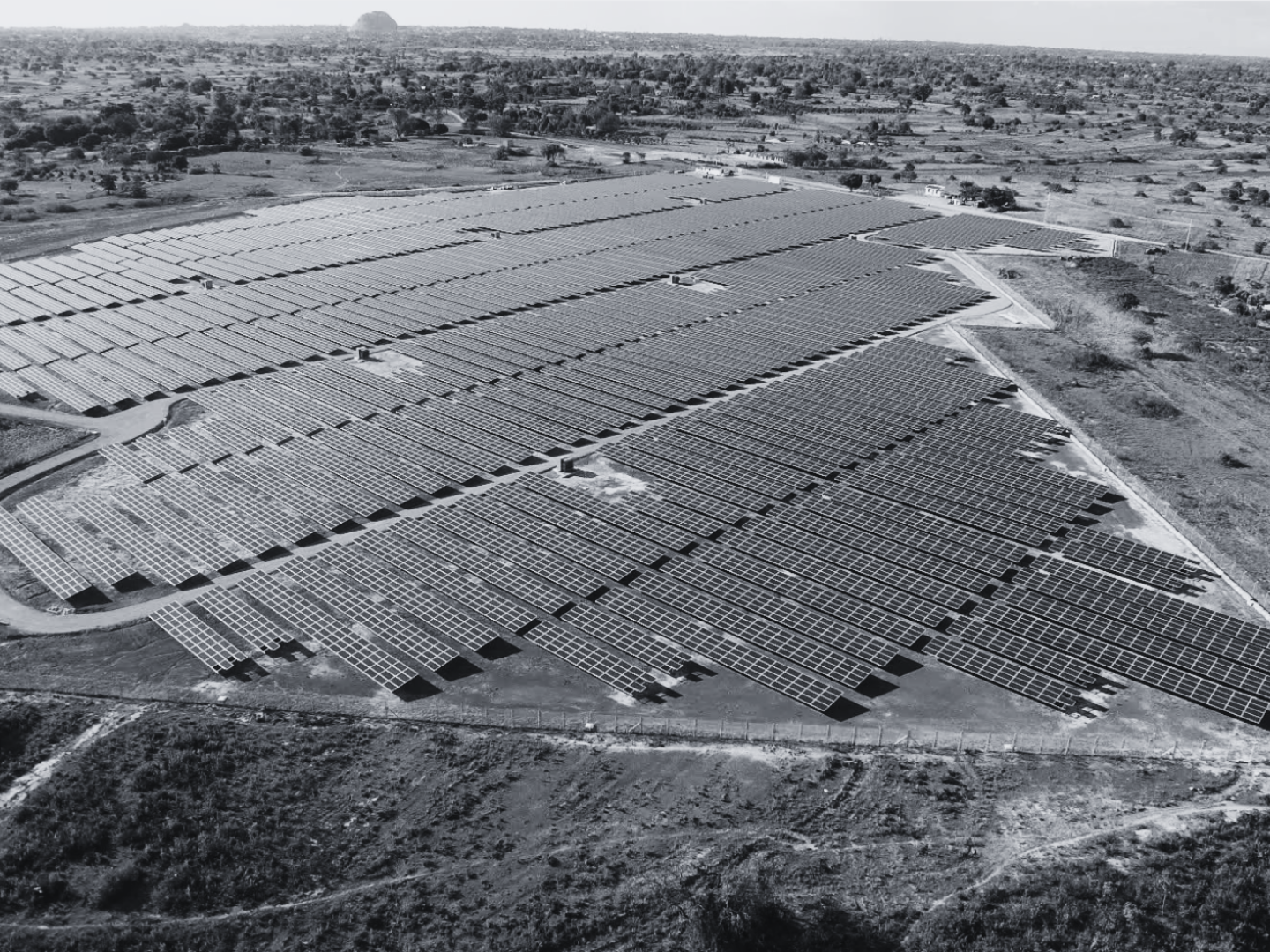
Powering Progress: The Potential for Cross-Border Energy Trade in East Africa
East African nations continue to strive for better economic performance and increased citizen well-being, endeavouring to address major socioeconomic challenges that have gripped the region for decades. While improvements have been made, with Kenya, Mozambique and Rwanda all experiencing gains on the human well-being index since 2000, systemic shortcomings hinder technological advancement and impede quality of life.

Caught in the Web: Using Machine Learning to Combat Scam SMS Messages
Aisha was mindlessly scrolling through her phone when an SMS pinged. The message announced a job vacancy at a well-known company, offering an attractive yet believable salary. It ended with, ‘Click this link to find out more.’